Branding · 29 Oct 2026 · 9 min read
Logo Design Process: Steps From Brief to Final Files
The logo design process step by step: what to put in a brief, how to judge concepts, which files to receive and who owns the finished logo.
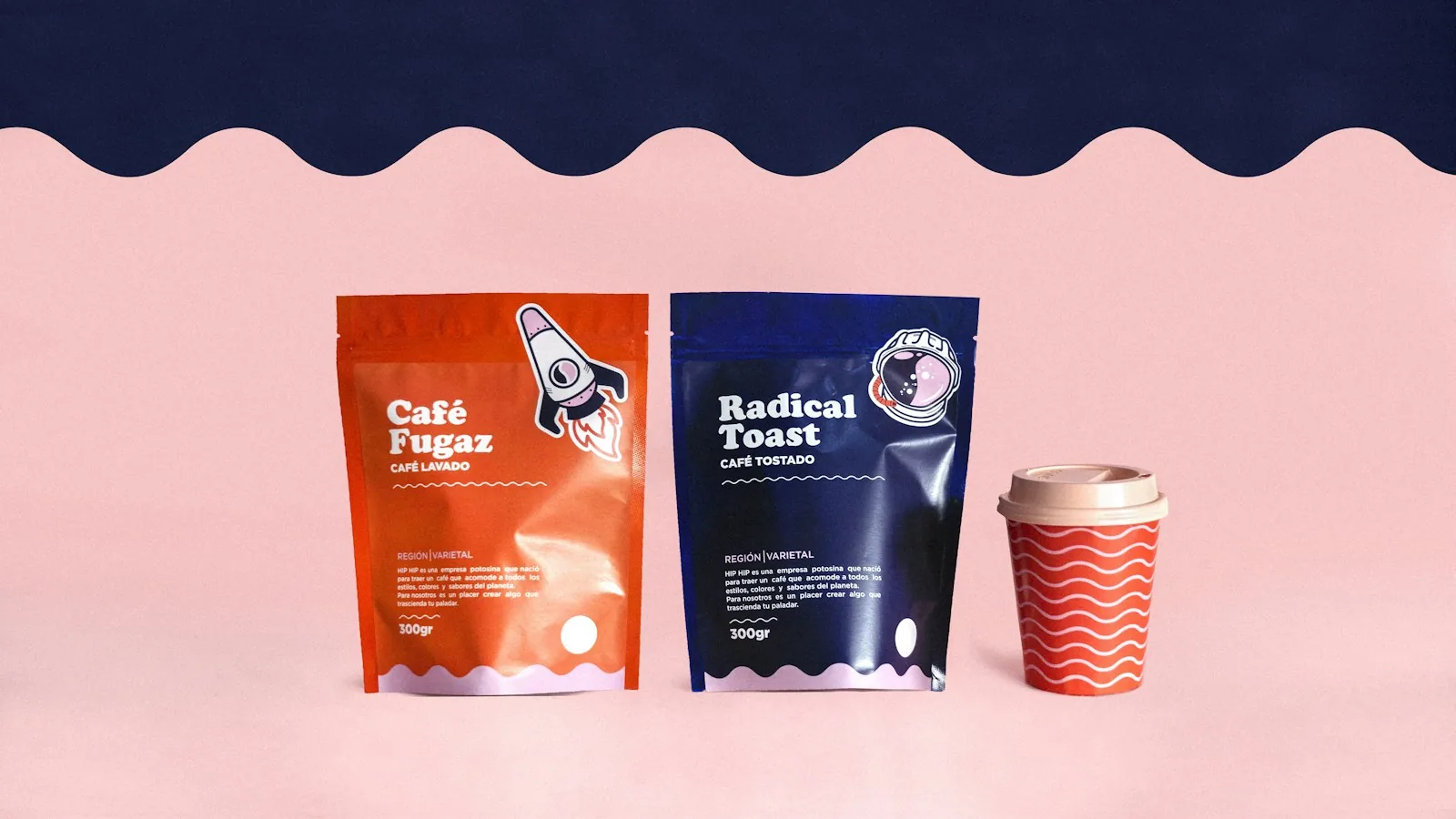
The logo design process in eight steps
A logo project moves through eight stages, and the two stages that depend most on you are the first and the fifth. This guide explains each stage and what you need to bring to it.
A logo design project usually runs in eight steps: the brief, research, sketching, concept presentation, feedback, refinement, final files and handover. You supply the brief, the feedback and the approvals, and the designer supplies the thinking and the artwork. At the end you should receive vector and image files in several versions, plus written confirmation that you own the logo.
The logo design process follows the same order whether the designer is a freelancer or a studio. The names of the stages vary, but the sequence does not. Knowing it shows you what is being asked of you, and when.
1. The brief
You describe the business, the customers and the places the logo will appear. The designer asks questions to fill the gaps. A written brief has the biggest effect on how many rounds of changes the project needs.
2. Research and direction
The designer looks at your market, at your competitors' marks and at the surfaces the logo will sit on. The aim is a direction that looks different from the others you compete with and still suits your customer. Ask to see this direction described in words before artwork begins.
3. Sketching and exploration
Most designers produce many rough ideas, by hand or on screen, before showing anything. You usually do not see this stage. It is where weak ideas are dropped.
4. Concept presentation
You see a small set of developed concepts. Good presentations show each one on a plain background and again in use, for example on a signboard, a packaging label or a phone screen, with a short explanation of the idea behind it.
5. Feedback
You collect comments from everyone who has a say and send one merged set. This is where projects stall, so agree in advance who has the final decision.
6. Refinement
The chosen concept is adjusted: spacing, letterforms, proportions and colour. The designer tests it at very small and very large sizes, in one colour, and reversed on a dark background.
7. Final files
The approved logo is exported in the formats and versions you will need. A full list is further down this page.
8. Handover
You receive the files, the colour and font details and a written statement of ownership. Final payment normally falls here. If a style guide is part of the project, it arrives at this point; what goes into a brand style guide explains what it should contain.
What to tell a designer before they start
A logo design brief does not need to be long. One page is enough if it answers the points below. Write it before the first call, because writing it often exposes disagreements inside your own team.
- Your business name exactly as it should appear, including capital letters, and any tagline that must sit beside it.
- What you sell, who buys it, and why customers choose you over others. A few plain sentences will do.
- The places the logo will appear first: signboard, packaging, website, app icon, invoices, vehicle or uniforms. This decides which versions are needed.
- Logos you like and dislike, from any industry, with a reason for each.
- Competitors whose logos you do not want to resemble.
- Colours you want, colours you must avoid, and any meaning a colour or symbol carries for your customers.
- The languages and scripts the name must appear in, for example English only or English with Devanagari.
- Any plan to register the logo as a trademark.
- Your deadline and your budget. Say both early, because they decide how many concepts and rounds are realistic.
- The one person who gives final approval.
Avoid describing the finished logo in detail, such as "a lotus inside a blue circle". Describe the problem and let the designer propose answers. You usually get better options, and the designer can explain why they work.
How to judge concepts and give useful feedback
Look at each concept the way customers will meet it, not the way it appears in a presentation. These checks take a few minutes.
- Shrink it to the size of a social media profile picture. If the detail disappears, it is too complicated.
- View it in black and white. A logo that works only in colour will struggle on stamps, receipts and photocopies.
- Place it on a dark background and on a photograph.
- Read the business name beside it and ask whether it matches the business you described in the brief.
- Show it to a few people outside the business and ask what they think the business does.
When you give feedback, say what is not working in terms of the customer or the brief rather than proposing the fix. "This looks too playful for people buying industrial equipment" helps the designer. "Make the font bigger" changes one detail. Send one list, merged from everyone, in one message. Contradictory comments sent separately often use up a revision round before the designer has anything clear to work from.
Check the quote or agreement for the number of concepts and the number of revision rounds. Agreements differ, and what matters is that both are written down before work starts. A request outside the original brief will usually count as a new round or as extra work.
Which files you should receive at the end
Put the file list in the agreement, because logos end up in more places than expected. A complete set looks like this.
| File | What it is for |
|---|---|
| SVG | Websites and apps. Stays sharp at any size. |
| PDF or EPS (vector) | Printers, signboard makers and large-format printing. |
| Editable source file, for example AI | Later changes by a designer. Ask whether it is included. |
| PNG with a transparent background | Documents, presentations and social media. |
| JPG | Places that do not accept transparency. |
| Square icon versions | Browser tab icons, app icons and social media profile pictures. |
Each should come in a full-colour version, a single-colour version, a black version and a white version for dark backgrounds. If the logo has a horizontal and a stacked layout, you need both. Ask also for the exact colour codes, HEX for screens and CMYK for print, and for the names of the fonts used. Name and organise the files so that a printer who has never met you can pick the right one.
If the logo uses a commercial font, ask whether a licence for logo use is included, or whether the letters were redrawn for your logo.
How long a logo project takes
There is no standard length, and anyone who quotes one without reading your brief is guessing. The time depends on factors you can influence.
- How quickly you return feedback. Waiting for comments is the most common reason projects overrun.
- How many people must approve. Each extra decision-maker tends to add a round.
- Scope. A logo alone is a smaller project than a logo with colours, fonts and a style guide.
- The depth of research and the number of concepts being developed.
- The designer's other commitments, which they should tell you about.
Ask for a schedule that shows a date for each stage, including your own feedback dates. If the logo is needed for a fixed event such as a shop opening, count back from that date. Signboard makers and printers need their own time after the design is approved.
Who owns the logo after the project
You should, but only if it is written down. In many countries a transfer of copyright has to be in writing, so a spoken "the logo is yours" is not enough. Agreements usually say that ownership passes on full payment. If the logo matters to the business, have a lawyer confirm the wording.
Three questions are worth asking before you sign.
- Is the design original, or does it use stock artwork, clip art or a template? Those can be licensed to many customers, so they cannot be exclusive to you.
- Are the fonts licensed for use in a logo?
- Will you receive the editable source files, so that another designer can work on the logo later?
Owning a logo is separate from registering it. Trademark registration is its own process through the Trade Marks Registry. Before you settle on a design, search the registry's public records for similar names and marks in your category, or ask a trademark professional to do it.
The branding service page describes the logo and brand identity work Liftup does.
Questions and answers
What are the steps in a logo design project?
A typical project has eight steps: brief, research, sketching, concept presentation, feedback, refinement, final files and handover. You are responsible for the brief, the feedback and the approvals. The designer is responsible for the research, the concepts and the finished files.
What should I tell a designer before they start?
Give them the exact business name, what you sell and to whom, where the logo will appear first, logos you like and dislike, colours to use or avoid, and your deadline and budget. Name one person who approves the final choice. A one-page written brief is enough.
How many logo concepts should I expect?
It depends on the agreement. Some designers present a few different directions, and others develop one carefully chosen direction. Ask for the number of concepts and the number of revision rounds, and have both written into the quote before work starts. The number matters less than whether each concept answers the brief.
What files should I receive at the end?
Vector files such as SVG and PDF or EPS, PNG and JPG images, square icon versions and ideally the editable source file. Ask for full-colour, single-colour, black and white versions, plus the exact colour codes and font names.
How long does a logo project take?
It depends on how fast feedback comes back, how many people approve, how much research is involved and whether the project covers colours, fonts and a style guide as well. Ask the designer for a dated schedule that includes your feedback dates.
Who owns the logo after the project?
You should, once final payment is made, but ownership needs to be stated in writing in the agreement. Ask whether any stock artwork or unlicensed fonts are used, because those cannot be exclusive to you. A lawyer can confirm the wording if the logo is important to the business.
Tell us what you are building.
A short call, a written plan and a fixed quote. No obligation.