Branding · 29 Oct 2026 · 8 min read
Brand Identity vs Logo vs Branding: The Difference
A logo, a brand identity and branding are different things. See what each covers, what a small business needs and how to read a quote that says branding.
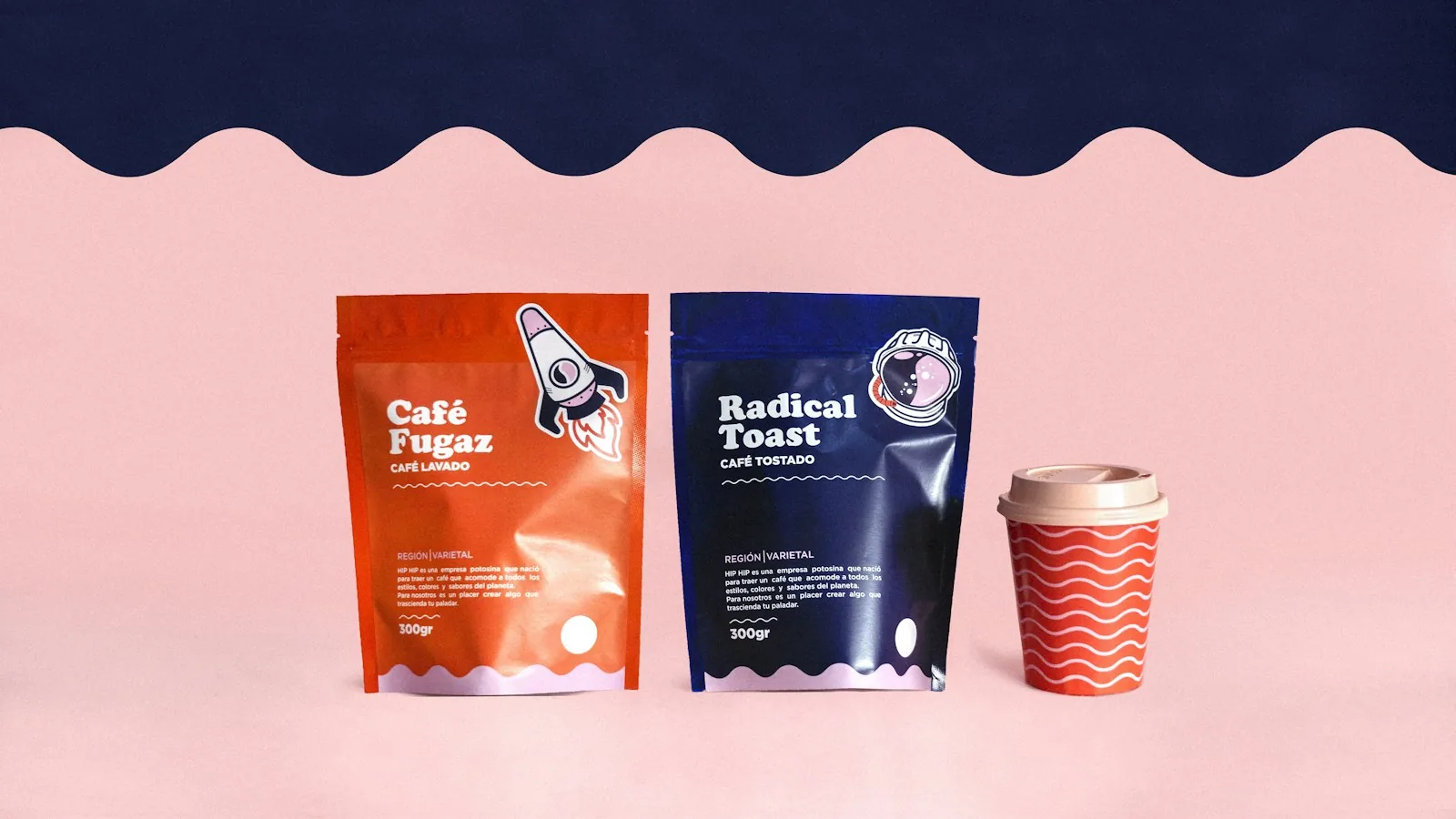
The four terms in plain words
The terms are often used as if they meant the same thing, which causes trouble when you brief a designer or compare quotes. This page separates them and shows which one your business needs.
A logo is one mark that identifies a business. Brand identity is the full set of visible and verbal elements built around it: colours, fonts, imagery, tone of voice and usage rules. Branding is the ongoing work of applying that identity and shaping how people see the business. The brand itself is what customers think and say about you.
Brand identity vs logo is the question behind most branding quotes, and the answer starts with four terms that sit inside one another. The logo is a part of the identity. The identity is a tool used in branding. The brand is the result in people's minds. The table uses a neighbourhood bakery as a made-up example.
| Term | What it is | Who controls it | Bakery example |
|---|---|---|---|
| Logo | One mark, name style or symbol that identifies the business | You | The bakery's name set in a particular style on the box |
| Brand identity | The visible and verbal elements that make the business recognisable | You | The cream and brown colours, the rounded lettering, daylight photographs of the bread, the friendly tone on the menu |
| Branding | The ongoing work of choosing, applying and managing the identity, and deciding what the business stands for | You, over time | Using the same look on every box and sign, and answering reviews in the same voice |
| Brand | The impression customers carry of the business | Customers, influenced by everything you do | The place with honest prices and good bread |
Brand identity vs logo
A logo is one element of a brand identity. It identifies the business in small spaces such as a profile picture, a stamp or a signboard. What it cannot do is tell anyone how to make a poster, set a headline or write a social post in a way that looks like the same business.
That is the gap an identity fills. It records the colours, fonts, picture style and tone that the logo sits among, so that a menu card, an invoice and an Instagram post made by three different people look related. Without it, every new piece of material is a fresh design decision, and the business slowly looks inconsistent. The most common mistake is to buy a logo and expect it to behave like a brand.
Brand identity vs branding
Brand identity is the kit. Branding is how you use it. An identity can be delivered to you as files and a document. Branding cannot be delivered, because it carries on for as long as the business trades.
Branding also includes the thinking before the design. Who the business serves, what it promises, how it differs from the alternatives and how it should sound are decisions of strategy, and the identity expresses them. Every invoice, delivery, reply and shop visit is also branding, whether it was designed or not. A business that has paid for no design still has branding, because customers still form an impression of it.
The usual order of the work
In a well-run project the thinking comes first. Decisions about the audience, the promise and the tone are made before any drawing starts. The identity then turns those decisions into colours, type, imagery and wording, and the logo is drawn as part of it, not ahead of it. Rollout comes last, when the identity is applied to the signboard, website, packaging and social profiles.
A designer who starts sketching logos before asking about your customers is working backwards. That can be acceptable for a quick job, but it risks a logo that suits nobody in particular. The guide to how a logo design project works walks through the stages of the logo part.
What a brand identity includes
The size of an identity varies with the business. A full one usually has these parts.
- The logo in a set of versions: a main version, a compact version for small spaces, and one-colour and reversed versions for dark backgrounds.
- A colour palette, with exact values for screen and for print.
- Typefaces, with rules for headings, body text and what to use where fonts are not installed.
- A style for photographs, illustrations and icons.
- Graphic elements such as patterns, shapes and borders.
- Tone of voice, including how the business names things, greets people and signs off.
- Templates for the materials the business actually uses, such as stationery, social posts, presentations and packaging.
- A guidelines document that records the rules. The guide on what goes into a brand style guide covers that in detail.
A small business seldom needs every item. The branding page describes the logo and identity work Liftup does, and the scope should follow what you will use.
Do you need a brand identity for a small business?
You already have one if your business appears in more than one place. The question is whether it was chosen on purpose and applied the same way each time. A small business can answer that with a small identity: logo files in the right formats, a fixed set of colours, one or two fonts, a few lines on tone, and a rule for photographs.
The need grows with the number of channels and the number of people producing material. If you have a signboard and nothing else, a simple logo may be enough for now. If you run a website, social accounts, printed material and packaging, or you hire freelancers, a documented identity saves repeated decisions and keeps the work consistent. If an existing brand looks tired or scattered, the five signs of a brand identity refresh will help you judge whether it is time.
Can you change your logo without changing your brand?
Yes. If the name, colours, voice and promise stay the same, a redrawn logo is a refresh, and customers will still see the same business. Many businesses do this when a logo prints badly, looks dated or fails at small sizes.
Two cautions apply. A new logo that clashes with the existing colours and materials creates a mismatch, so check it against everything it will sit beside. And if the real problem is inconsistency, a new logo alone will not solve it, because the scattered fonts, colours and wording remain. The opposite case also exists. If you have changed what the business offers or who it serves, keeping the old logo can leave the visual identity describing a business that no longer exists. The rebranding checklist lists what should change and what should stay.
Which problem are you actually solving
| If your problem is | Look at |
|---|---|
| The logo looks dated, prints badly or is hard to read small | A logo refresh |
| Your materials look different on every channel | A brand identity with guidelines |
| Customers cannot say what you do or why you are different | Branding work on positioning and messaging, before any design |
| The business has changed direction, name or audience | A rebrand, planned with a checklist |
| You have a good identity but nobody follows it | Guidelines, templates and a person who owns them |
What to check when a quote says branding
The word covers everything from a single logo file to a full identity with strategy and templates, so two quotes under the same heading can describe very different work. Ask for the deliverables in writing and match each one to the list above.
A quick self-check also shows what you already have. Can you find your logo in an editable file? Do you know your colour values? Would two items made by different people look like the same business? Could a stranger tell what you do from your homepage in a few seconds? Each no points to a gap in the identity, not a flaw in the logo.
Questions and answers
What is the difference between a logo and a brand?
A logo is a single mark that identifies a business, and you design it. A brand is the impression customers carry of the business, formed by the product, the service, the look and everything else they see. You influence a brand but customers decide it.
Is brand identity the same as branding?
No. Brand identity is the set of visible and verbal elements, such as logo, colours, fonts, imagery and tone. Branding is the continuing work of choosing, applying and managing those elements and shaping what the business stands for. Identity can be delivered as files and guidelines, while branding goes on as long as you trade.
What is included in a brand identity?
Typically a logo in several versions, colour palette, typefaces, a style for images and graphics, tone of voice, templates for the materials you use, and a guidelines document. Smaller projects include only some of these. Ask any designer to list the deliverables in writing.
Do I need a brand identity for a small business?
You need a simple one if your business appears in more than one place. A set of logo files, fixed colours, one or two fonts and a few notes on tone is often enough. A fuller identity becomes worth it as you add channels, staff or freelancers who produce material.
Can I change my logo without changing my brand?
Yes. If the name, colours, voice and promise stay the same, a new logo is a refresh and customers still recognise the business. Check the new logo against your existing materials, and do not expect it to fix inconsistency elsewhere.
How do I know which of these I am being quoted for?
Ask for a written list of deliverables. A logo quote lists files and formats. An identity quote adds colours, fonts, imagery, tone and guidelines. A branding quote should also mention research and positioning. If the list is missing, the quote cannot be compared with another.
Tell us what you are building.
A short call, a written plan and a fixed quote. No obligation.