Cost guide
How much does ecommerce SEO cost in 2026?
Store SEO is priced by the shape of your catalog more than by the number of keywords. A 300-product store and a 25,000-product store are different jobs.
3 min read · By the Liftup team in Pune



How much would this cost us?
A fixed quote within one working day.
350+businesses served
8countries
7+years















In short
Market surveys put the average SEO retainer near $3,200 a month: Clutch reports $3,199 and Ahrefs reports $3,209. Clutch puts hourly work at $100 to $149. Ecommerce costs more when the catalog is large, filtered or duplicated across variants. Liftup gives a fixed quote after a short call, not a market average.
Rather have it done for you? See our ecommerce development service, from $1,500.
On this page 6 sections
What the market data says
We cite two sources for SEO pricing and nothing else. Both are surveys of the whole SEO market, not of stores specifically.
| Measure | Figure | Source |
|---|---|---|
| Average SEO price per month | $3,199 | Clutch SEO pricing guide (market data) |
| Hourly rate | $100 to $149 | Clutch SEO pricing guide (market data) |
| Average agency retainer per month | $3,209 | Ahrefs SEO pricing survey (market data) |
| Most common monthly band | $501 to $1,000 | Ahrefs SEO pricing survey (market data) |
The two sources tell a consistent story: the average is much higher than the most common band, so many businesses pay less than the average and a few pay far more. A year at the Clutch average is $38,388 (3,199 x 12) and at the Ahrefs average is $38,508 (3,209 x 12). Those are market arithmetic, not a Liftup price. We do not publish our prices: you get a fixed quote after a short call on the contact page.
Why catalog shape changes the work
Search engines see a store as a set of templates repeated many times. Fix a template once and every product benefits. Break it and every product suffers. That is why the first question about cost is the structure of the catalog.
| Store type | Catalog | Where the effort goes |
|---|---|---|
| Single-product brand | 1 to 10 products | Content depth, brand search, reviews, a few strong pages |
| Small catalog | A few hundred products, 15 categories | Category pages, product templates, internal links |
| Large catalog | Thousands of products, many filters | Crawl control, faceted navigation, duplicate and thin pages |
| Marketplace-style | Tens of thousands of items, changing stock | Indexing rules for out-of-stock items, feeds, scale |
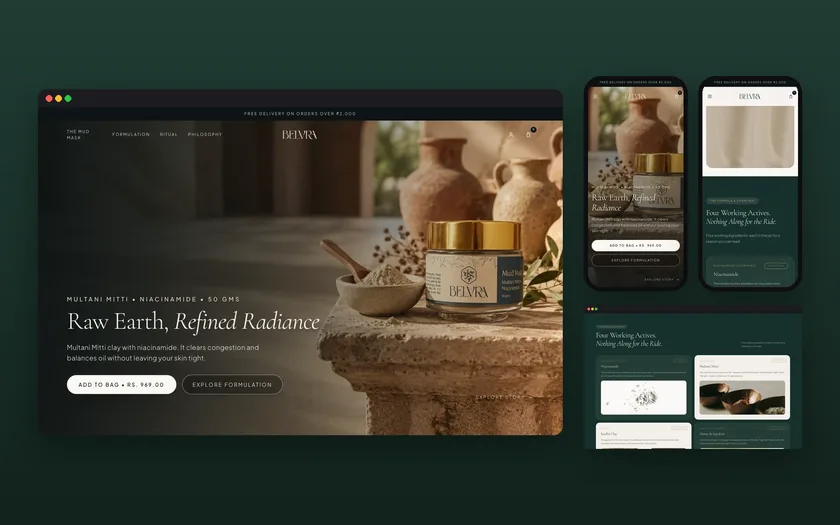
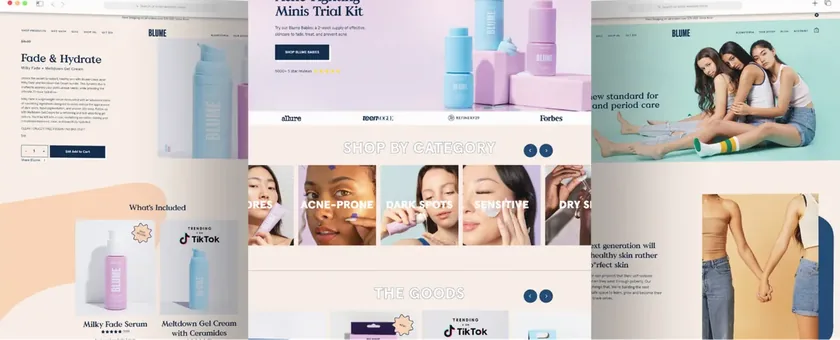
We have built Shopify stores such as Blume and Belvra, and the template-first logic above is why our Shopify SEO work starts with theme files before content.
Free · no obligation
Get a free SEO and AI visibility check of your site
We look at how Google and AI tools like ChatGPT see your site and send you the top fixes, within one working day.
Request received
Thanks. Your free check is in the queue.
We will send the top fixes on WhatsApp or email within one working day.
An hours illustration at market rates
Say a first technical clean-up of a mid-sized store takes 40 hours and a larger content and category program takes 120. At Clutch's hourly range of $100 to $149:
| Hours | At $100 an hour | At $149 an hour |
|---|---|---|
| 40 hours | $4,000 | $5,960 |
| 120 hours | $12,000 | $17,880 |
The hours are invented to show how to read a quote. Ask any provider for the hours behind their number and which tasks they cover. Compare that with the retainer averages above.
What drives the price up
- Faceted navigation. Filters by size, color and price can generate thousands of near-duplicate URLs that must be controlled.
- Variants. Products sold in many sizes or colors need a rule for which URL is the main one.
- Thin category pages. Categories are often the strongest search targets and the weakest pages, so they need real copy and structure.
- Product data. Missing descriptions, copied supplier text and weak titles take work to fix at scale.
- Structured data and feeds. Product markup, reviews and merchant feeds must match what is on the page.
- International stores. Multiple regions add language and currency handling. See international SEO.
- Platform limits. Some platforms restrict URL structure or template changes, which shapes what is possible.
How to scope a quote for your store
- Count what you haveProducts, categories, variants, languages and filters, in a single sheet.
- Pull your Search Console dataExport queries and pages for the last sixteen months. It shows what already earns clicks and where impressions go unused.
- List your constraintsPlatform, who edits product data, how often stock changes, how fast developers can ship template fixes.
- Choose the first outcomeFix crawl waste, rebuild category pages, or add content for non-brand searches. Pick one and sequence the others.
- Ask how results are reportedWe report from your own Search Console, with technical fixes first and content and links after.
For a deeper look at what each tier includes, see the general SEO cost page and our ecommerce SEO service. The Shopify SEO checklist is a free way to find your own quick fixes first.
When a smaller spend is enough
A store with a few dozen products and no filters may not need a monthly retainer. A one-time audit, a round of template fixes and a content plan the team executes can do the job. Buy ongoing work when there are enough pages and enough changes to keep a specialist busy.
Sources: Clutch SEO firms pricing guide (market data), Ahrefs SEO pricing survey (market data).
Updated 20 November 2026
Questions, answered
Something else on your mind? Ask us directly or WhatsApp us. We reply within one working day.
Is ecommerce SEO more expensive than regular SEO?
How long does ecommerce SEO take to show results?
Should I pay hourly or monthly?
Why do ecommerce SEO quotes differ so much?
What extra costs can come with ecommerce SEO?
How can I check an ecommerce SEO quote against market data?
Keep exploring
Ecommerce SEO services that fix the store, then grow it
Online stores create thousands of near-duplicate URLs. We decide which ones deserve to rank, clean up the rest and build collection and product pages…
Pricing guideHow much does SEO cost in 2026?
Two independent sources agree on the average. The more useful number is the common band, which sits well below it. This page shows both and what you…
ChecklistShopify SEO checklist
Shopify handles a lot of SEO for you and quietly creates a few problems of its own. This list starts with what the platform does by default, then…
Rather talk it through?
A free 30-minute call with a specialist. Straight answers, and a fixed quote if you want one.